
Media that fits the job
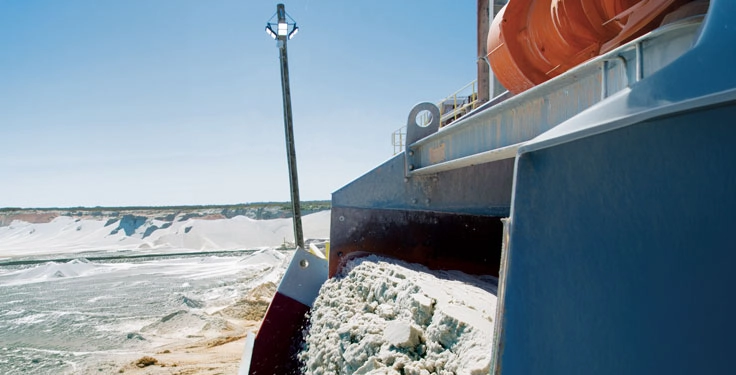
Screen media refers to the surface material mounted on vibrating screens that physically separates aggregates by size. It’s what the material passes through or over on its way to becoming a final product.
Selecting the right media for a given application is essential to achieve accurate material separation, extended wear life and efficient screen performance.
The type of material being processed – its abrasiveness, moisture content, shape and gradation – should directly influence media selection.
Woven wire is one of the most versatile and commonly used types of screen media. It offers excellent open area, which promotes high screening efficiency, and is best suited for dry, clean materials like crushed stone, sand and gravel.
However, in high-impact or high-wear applications – especially with larger stone or harder rock – woven wire can wear quickly.
Rubber media is ideal for abrasive and high-impact materials, such as granite or recycled concrete. Its shock-absorbing properties help reduce vibration and structural stress while offering longer wear life in tough conditions. Rubber is also useful when trying to reduce noise in operations close to residential or urban areas.
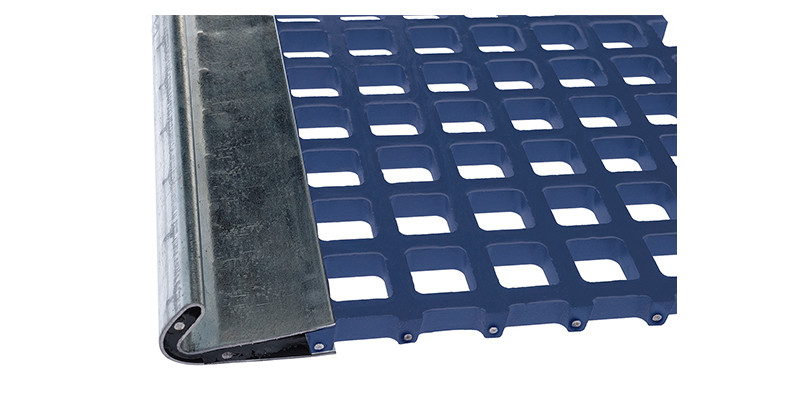
Polyurethane offers a balance between wear life and screen performance. It excels in wet or sticky applications where blinding or pegging are common.
Modular polyurethane panels also allow easy replacement of high-wear sections without replacing the entire deck.
In some operations, producers blend screen media types across decks or even within a single deck using wire on the top for speed, and rubber or urethane below for durability.
Choosing the wrong screen media, on the other hand, can shorten wear life, increase downtime and reduce screening efficiency.
Track the signs before downtime
A vibrating screen is only as effective as its ability to consistently separate material to spec.
Over time, however, wear and subtle performance changes can creep in – and often without immediate notice. That’s why monitoring wear and key performance indicators are essential to maintain efficiency, prevent downtime and protect equipment.
Worn media leads to several costly consequences: undersized or oversize material in the final product, reduced throughput, unnecessary recirculation and damage to downstream equipment.
In some cases, media wear may cause material to bypass entirely through holes or tears, compromising product quality and risking rejected loads.
Beyond the media itself, structural wear – such as uneven motion or cracked sidewalls – can signal larger issues. Early detection allows for planned maintenance.
If a screen’s stroke weakens or becomes asymmetrical, its ability to perform efficiently declines. That’s an early sign that the screen may be out of balance or structurally compromised.
Staying ahead of wear isn’t just about longevity. It’s about keeping your operation running smoothly and on spec.
Information for this article courtesy of Superior Industries.
Related: Avoiding cold weather wash plant downtime