

While screening plays a critical role in sizing and separating aggregates, the decision between dry and wet screening depends heavily on material characteristics and processing goals.
Each method offers specific advantages and limitations that producers must weigh carefully when designing their operations.
Match the method to the material
Dry screening is commonly used for free-draining, low-moisture materials such as crushed stone, gravel and manufactured sand. These materials pass through screen decks without clumping or blinding the media.
Dry screening is ideal for:
■ Separating products into multiple sizes
■ Reducing equipment complexity (no pumps, spray bars or settling systems)
■ Operating in areas where water use is restricted or undesirable
Still, dry screening has limitations. Fine or dusty materials – especially if they contain clay or organic matter – tend to clog screen media, reducing throughput and accuracy. In these cases, wet screening is often the better fit.
Wet screening introduces water to help liberate fine particles and prevent blinding. It’s especially useful for sticky or clay-bound materials that would otherwise cake together and block the screen deck.
The key advantages of wet screening are improved separation of fine particles, cleaner final products and higher screening efficiency in tough conditions.
Wet screening is often paired with spray bars that apply water directly to the material stream. These spray systems can be installed above screen decks or between decks, depending on material load and desired wash intensity.
Of course, wet screening requires a more complex setup. It introduces challenges related to water management – including the handling of runoff and the need for potential discharge permits. Producers must also consider water recycling systems, which often involve settling ponds or mechanical dewatering equipment to reclaim and reuse water efficiently.
Additionally, the constant movement of slurry can lead to increased wear on components like pumps, liners and spray bars throughout the wash circuit.
Selecting equipment for conditions
Whether screening dry or wet, equipment selection matters.
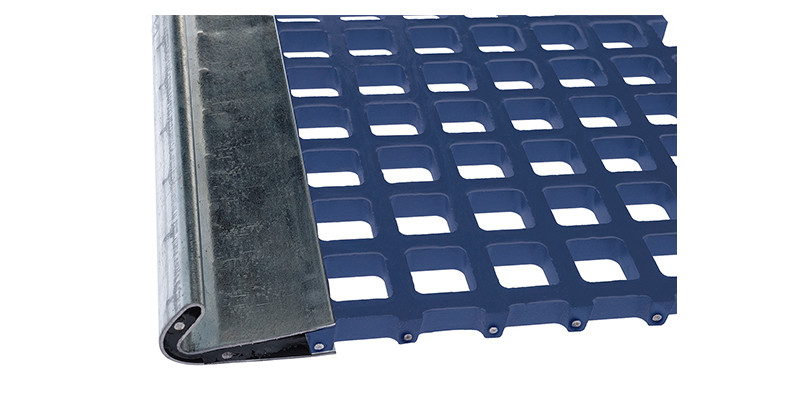
High-frequency screens, for example, are well-suited to fine dry screening, while inclined or horizontal wet screens are more common in wash plants. Screen media selection (i.e., wire cloth, rubber, polyurethane) should also reflect moisture content, abrasiveness and desired cut sizes.
In operations where moisture fluctuates seasonally, some producers may even switch between wet and dry screening strategies – or incorporate adjustable systems that allow flexibility.
Choosing between dry and wet screening isn’t just about water, though. It’s about material behavior, end-use specs and operational efficiency. The right setup minimizes downtime, maximizes accuracy and ensures the screening process supports the performance of the plant.
No matter which screening method is used, performance typically comes down to execution, meaning proper feeding, consistent vibration and well-maintained media – and that starts with how material is distributed across the deck.
Feed it right, keep it balanced
In aggregate operations, screening is only as effective as the material flow feeding the screen.
A properly installed screen with clean media and powerful vibration can still underperform if the feed is off-center, inconsistent or overloaded. That’s why proper feed distribution across a screen’s full width is one of the most critical screening practices.
Uneven feed – where material loads more heavily on one side than the other – leads to uneven wear, premature media failure and poor screening efficiency. You’ll often see accelerated wear on one side of the deck, along with increased carryover or blinding in underutilized areas.
To correct this, producers should aim to center the feed and use feed boxes, deflectors or chutes designed to evenly spread material across the entire screen width.
But that’s only part of the picture.
Operators should also observe for symmetrical motion during operation. A screen that vibrates unevenly from side to side signals mechanical imbalance or spring tension issues. Even small discrepancies in spring length can create a twist in the support structure, impacting performance and causing structural fatigue over time. Regularly measuring and leveling spring heights can help catch these issues before they worsen.
Visual and auditory inspection is another underused practice. Listen for abnormal noises, like banging or thudding, that indicate loose components. Smell for overheated belts or oil leaks. And don’t overlook product results, as excess oversize in the stockpile might indicate torn screen media or blinding.
Lastly, always include the crew. Operators often notice subtle performance changes before machines show visible signs of distress. Regular walkarounds and open communication help ensure screening issues are caught early and corrected quickly.