
Safety and health was one of seven core topics drawn up for discussion at the 2026 Pit & Quarry Roundtable & Conference. With mining fatalities up in 2025 and safety as value No. 1 in the aggregates industry, producers and equipment manufacturers weighed in on the state of safety, what’s working to uphold it and what more should be done. The conversation presented here took place April 1. It was edited for brevity and clarity.
KEVIN YANIK (PIT & QUARRY): One thing we’ve been hearing more about lately from producers is technology and how it can make operations safer. But we also keep hearing about training. It may sound strange to call training a ‘trend,’ but manufacturers and producers alike seem focused on training people up.
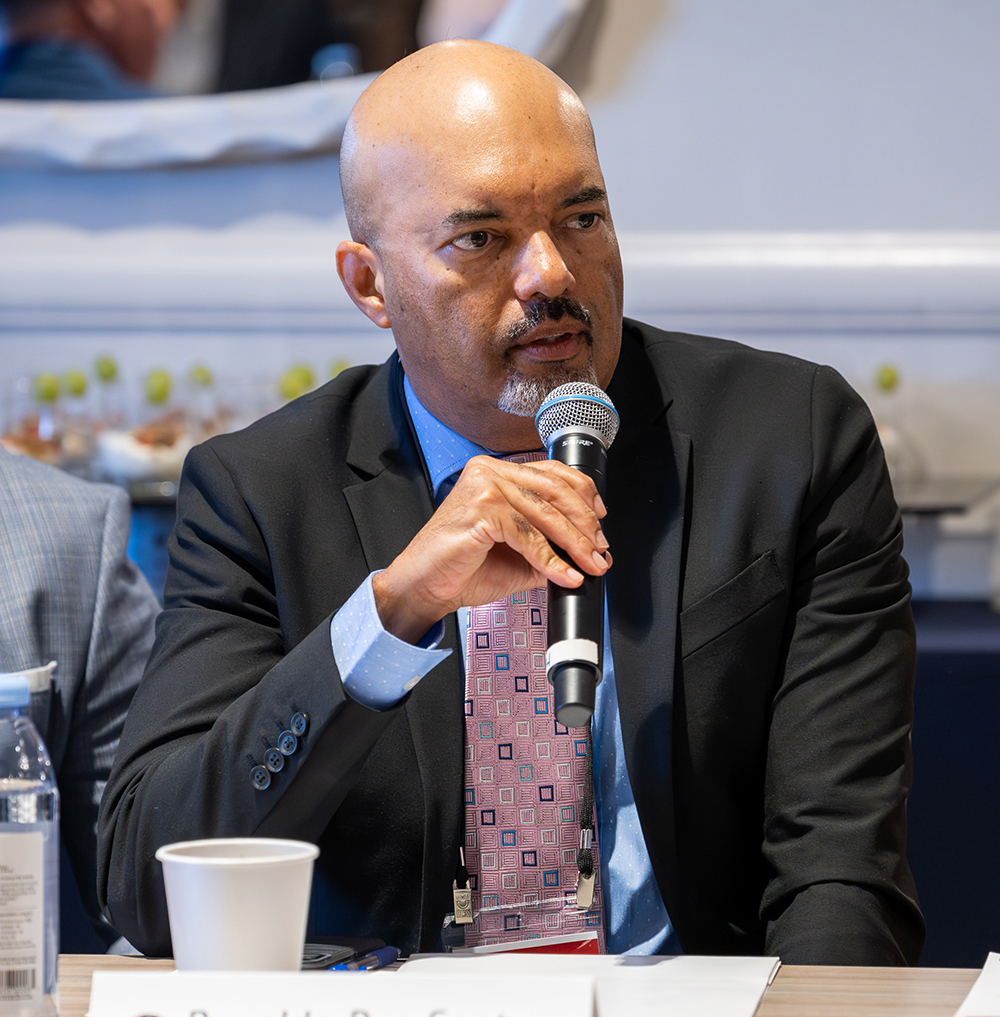
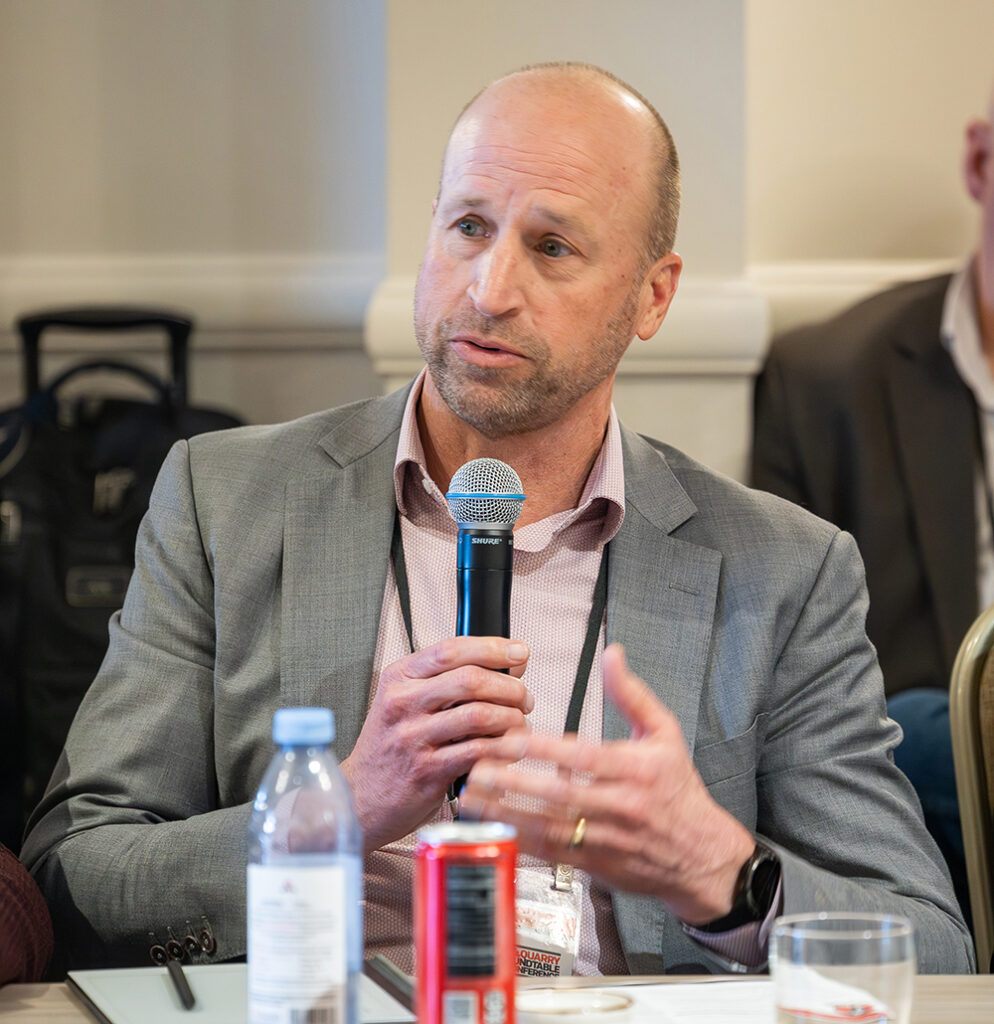
DARRELL WHITE (WESTMORELAND CONTRACT MINING): Core safety comes first for all of us. We operate our own lines and also provide external services to clients. One thing I see in the aggregate industry is a wide variation in safety quality that I don’t see as much in hard rock mining.
We work with some clients who have strict, value-added procedures, processes and systems very similar to our own. Then, I can go to another site where nobody chalks their trucks, nobody’s wearing hard hats and basic procedures are ignored.
Even though these are all MSHA-regulated sites, there’s still a huge range in safety quality – and that’s concerning for the industry.
We need to send our people home safely all the time. As an industry, we can’t operate at the lowest common denominator. Safety has to be something we continuously raise the bar on.
Sometimes, companies behave according to how active or inactive MSHA is in a given area. But that doesn’t protect people, and it doesn’t create the kind of culture that sends the right message.
If we want to attract younger workers into this industry, they have to feel safe. Many of these younger employees aren’t used to hard physical work. So when they come in, they need confidence that they’re safe, that expectations are clear and that leadership is reinforcing the right culture.
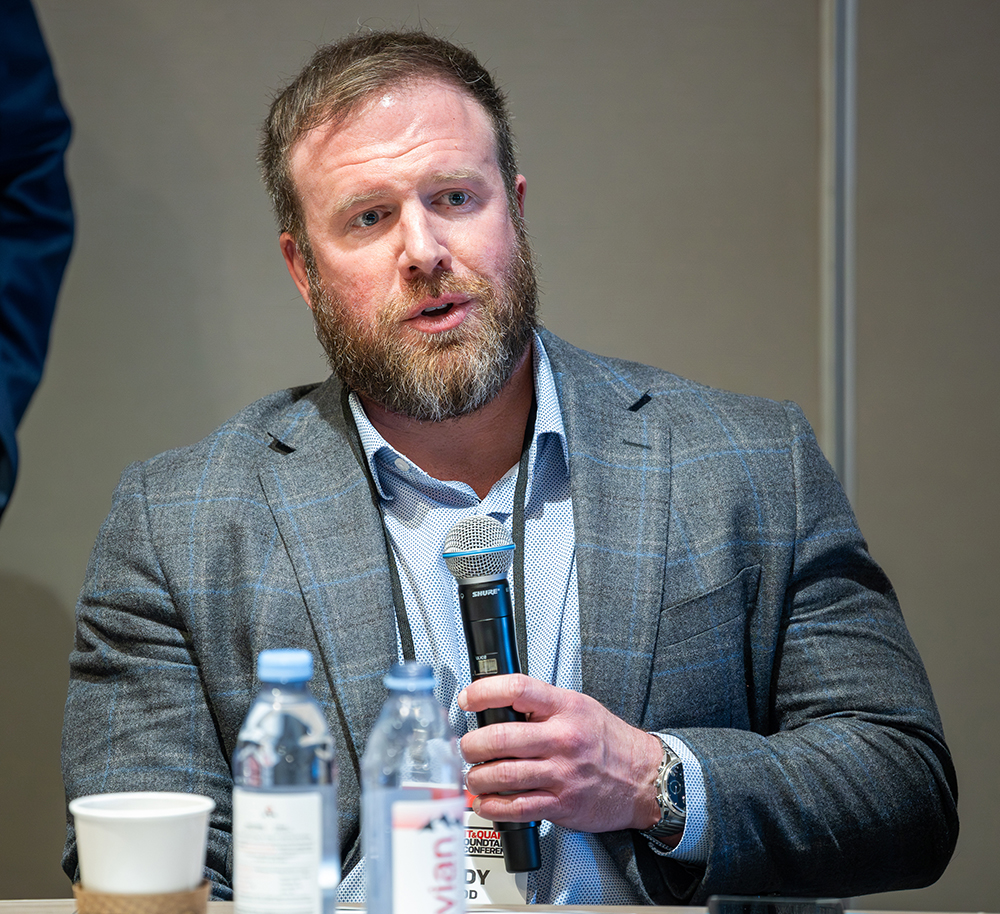
CODY LADD (KRAEMER MINING & MATERIALS): Safety is extremely important to me. I won’t get too deep into my personal history, but I’ve been on-site during some near-fatal accidents, and that stays with you.
At one point in my career, I joined an organization where saying ‘safety comes first’ was actually considered a new concept. I remember getting pushback on that – even as a senior leader.
I shut down the conversation immediately and said: ‘Absolutely not. This is not a volume-first business moving forward. That ends today.’
From there, I started attending safety meetings, and it significantly shifted the culture. We had a safety officer doing good work, but I realized that just because we weren’t having incidents didn’t mean people were actively looking out for one another. I needed to shift that mentality.
For me, it starts with a top-down approach. Leadership has to demonstrate that safety matters so everyone understands it’s truly important.
TONY SPAKE (VOLVO CONSTRUCTION EQUIPMENT): I’ll chime in from the equipment/OEM side.
I think all of you would agree that equipment safety is as good as it’s ever been – and it continues to improve.
Features you see in cars, trucks and buses are now showing up on heavy equipment. That includes rear cameras, bird’s-eye-view systems, collision mitigation technology, speed controls and many other built-in safeguards.