
But my counterpoint is that it’s not much different than driving a car. Technology can create a false sense of security.
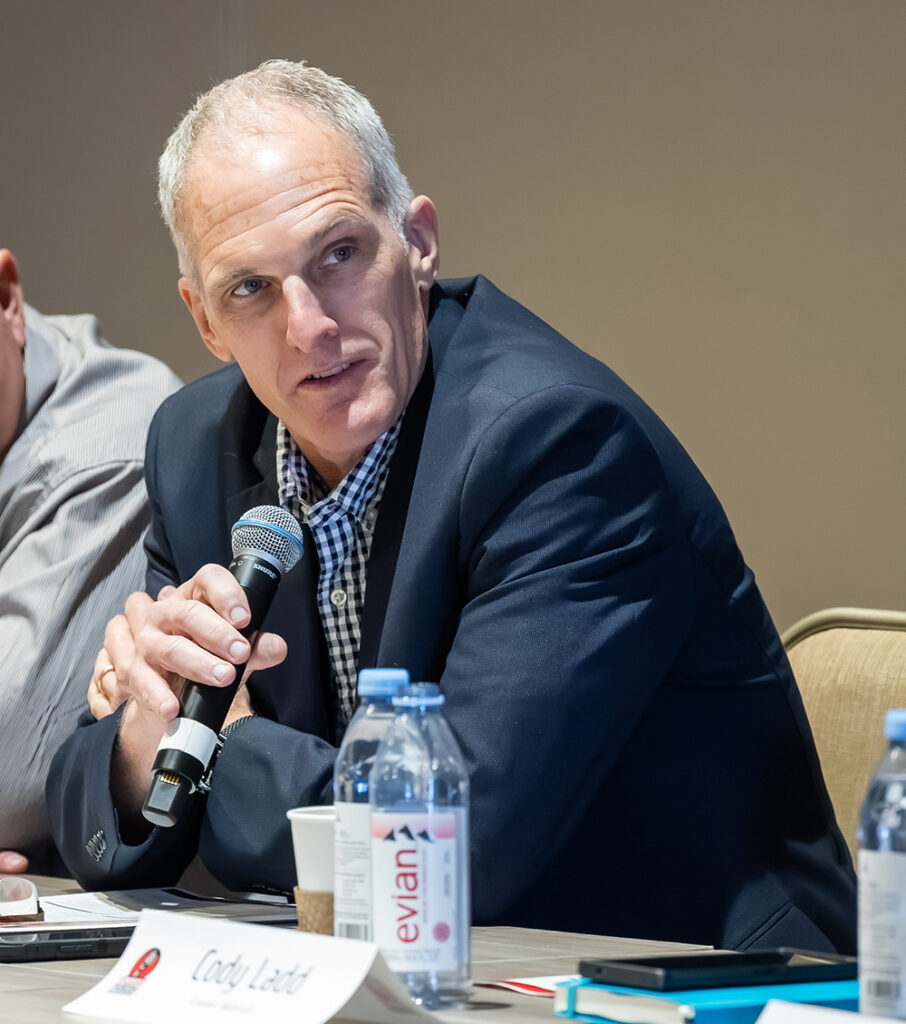
Whether we’re talking about safety systems, maintenance or lubrication systems, safety still starts and stops at the top of the company – through leadership, management, training and consistency.
Just like you wouldn’t rely solely on technology to teach a teenager how to drive, you can’t rely solely on technology in this business. At the end of the day, it still comes down to individual choices.
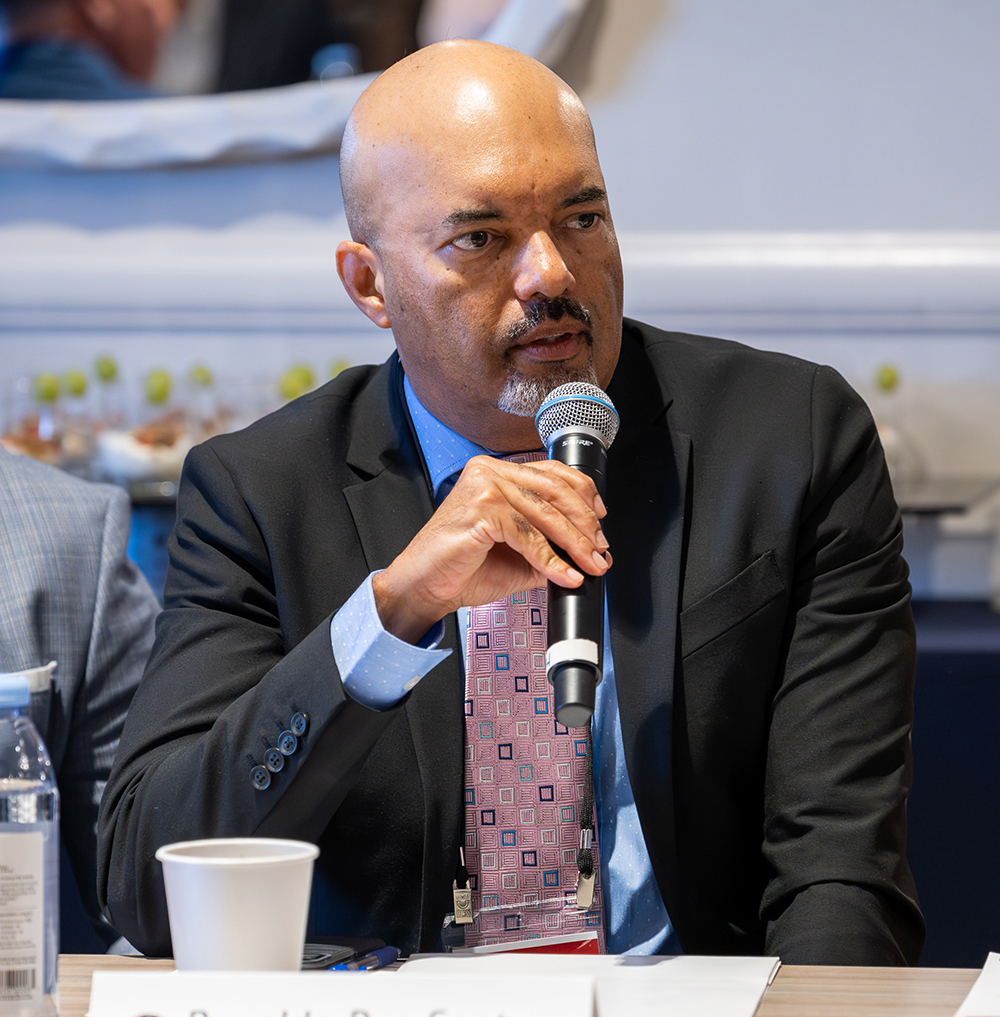
RONALDO DOS SANTOS (ANDERSON COLUMBIA CO.): We were very surprised to see the increase in industrywide mining fatalities in 2025. That was a big deal for us as a company.
We reviewed some of the data and found two points that stood out.
First, when looking at miners with more than 10 years of experience, 39 percent of fatalities were associated with that group. You naturally ask: ‘Why would highly experienced miners account for so many fatalities?’
One explanation is that experienced workers are often assigned the most complex or high-risk tasks. But another factor is attitude. Sometimes, experience can create overconfidence – the belief that someone can bypass procedures or doesn’t need assistance.
That’s where customized training becomes important. Safety training for experienced miners may need to focus less on basic hazard awareness and more on reinforcing attitudes, decision-making and procedural discipline.
The second major statistic was that 42 percent of fatalities involved people with less than one year of experience at that particular mine.

Because of that, we improved our onboarding process. We created better procedures for integrating new employees and making sure key milestones are completed – not only on the safety side, but in overall training.
We also realized we had too much unnecessary paperwork, so we scaled some of that back.
But the important point is this: Task training alone is not enough. Even after training is complete, companies still need to follow up and make sure employees truly understand the work, feel comfortable asking questions and have access to experienced miners or supervisors when they’re uncertain about something.
Those statistics really helped us customize and improve our training program.
Related: Podcast Episode 64: Pit & Quarry Roundtable & Conference Recap