
A well-functioning conveyor system boosts productivity and creates a safer working environment.
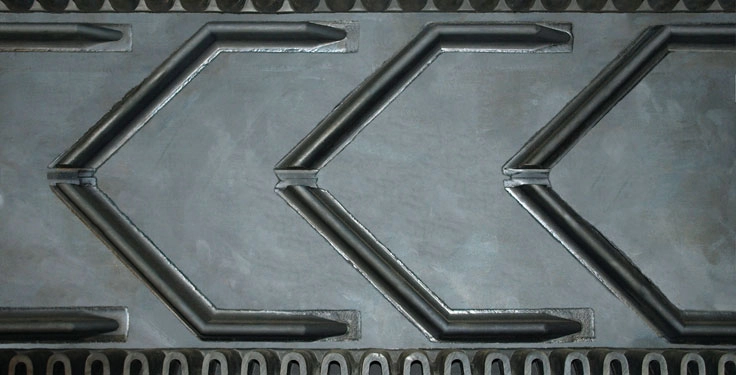
Conveyor belts act like the arteries and vessels of the system, with their condition vital to performance. Achieving optimal results requires implementing crucial steps.
This article explores best practices for maximizing cost savings and long-term value through informed belt selection. It will also cover how an effective preventive maintenance routine increases belt reliability.
Value over price
A conveyor belt is an investment in value that can generate significant cost savings throughout its service life.
The belt’s value proposition is determined by balancing its total cost of ownership (TCO), performance capabilities, durability and maintenance requirements with the specific system application needs. A “better value” conveyor belt minimizes long-term operational costs and downtime by consistently meeting performance demands, rather than simply having the lowest initial purchase price.
The primary factor in determining value is the TCO over the belt’s entire lifespan – not just the apparent sticker price. TCO includes:
■ Initial purchase and installation costs. The upfront expense for the belt and its setup.
■ Operational costs. Energy consumption required to run the belt system.
■ Maintenance and repair costs. Expenses for planned maintenance, unexpected repairs and replacement parts.
■ Downtime costs. Significant costs associated with lost production time when the belt is not operational.
■ Disposal/recycling costs. Expenses incurred at the end of the belt’s life.
A belt with a higher initial price may deliver better value if it significantly reduces maintenance and downtime costs over several years.
Build matters
Materials and construction directly impact durability and performance in specific environments.
The type of rubber, PVC or other material used in the conveyor belt’s cover and carcass – the internal reinforcement layers – determines its resistance to abrasion, impact, heat, chemicals, oil or UV light. A belt engineered with appropriate materials for the specific operating environment will last longer and provide better value.
Additionally, the number of plies (layers) and the fabric weave affect the belt’s strength, load capacity and flexibility. The ideal ply count and weave will depend on the system and application.
The strength and longevity of the belt splice are critical factors to consider, as well. A well-designed, durable splice – whether mechanical or vulcanized – is essential for long-term reliability and value.
Value is also derived from how well the belt meets operational requirements. A belt must be appropriately rated for the weight and speed of the materials being transported to avoid premature failure or inefficiency.
Also, belts that track correctly on the conveyor system reduce edge damage, spillage and component wear, leading to lower maintenance costs and better value. Lighter-weight or low-friction belts, meanwhile, can reduce the energy consumption of the conveyor drive system, creating ongoing operational savings.
The quality of the supplier relationship and service offerings add intangible value, as well.
Access to expert advice for selection, installation and troubleshooting helps prevent costly errors. Plus, comprehensive warranties and available maintenance services reduce financial risk to ensure prompt resolution of issues.
Preventive routine
The “better-value” conveyor belt is the most cost-effective and reliable solution tailored for a specific application, considering all these factors in concert.