
Service technicians face unique challenges when it comes to properly and safely servicing OTR tires.
The size of the equipment, hazardous work environments and less-than-ideal conditions challenge safety at every turn.
So, why is tire safety so important? One small mistake can lead to a serious injury – or even death – so it’s important that correct precautions are taken.
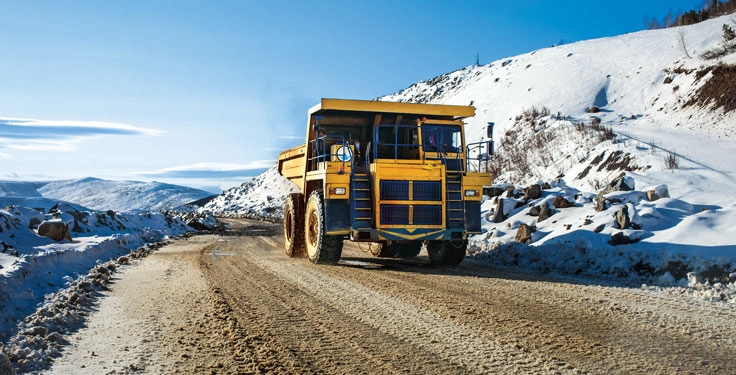
Winter is here
Colder temperatures. Snowy skies. Icy surfaces.
Due to the season’s unpredictable weather conditions, enhanced tire safety is more important than ever. Frozen ground may seem solid, but it will not support the weight of heavy equipment on a jack or cribbing.
It’s important to use a proper base and technique for lifting. In addition, frozen ground may cause equipment to slide off a jack, so use the proper chocks for your safety.
Traction
Having tires that are specifically designed for enhanced traction and handling in winter conditions will add to job productivity and safety.
Chains may increase traction, but they are expensive, high maintenance and must be removed for some surfaces. For working on snow-packed and icy roads, winter tires are recommended.
Tire pressure
Incorrect tire pressure is one of the leading causes of tire wear and fatigue, so it’s crucial to check tire pressure regularly.
A drop in ambient temperature will produce a decrease in inflation pressure. Check cold inflation (tire/rim assembly and inflation media are at ambient temperature) before starting the workday, and adjust to the manufacturer’s recommended inflation pressure.
Do not check cold tires when ambient temperature is below freezing, as this may result in moisture inside the tire cavity freezing under the valve seat, resulting in a slow leak. Consult inflation charts or the tire manufacturer for guidance on hot inflation pressures.
It may seem like a good idea to keep tires underinflated, as it is believed to provide the larger footprint needed for extra traction. However, this is not true of modern radial tires. Just like keeping tires overinflated, it can cause problems with the tire life and severely sacrifice durability.
Underinflation shows up as excessive, uneven wear. Proper inflation ensures uniform pressure across the face of the tread, resulting in even wear.
In addition, underinflation can affect tire durability and handling negatively. It can produce excess stress and deflection, leading to heat generation. The heat can cause failure in several areas – including the bead, shoulders and sidewall.
Monitoring tire health
Tracking systems can also help extend tire life, and there are several ways to record performance.
Some producers calculate cost per hour by recording the mounting hours in service. Others track this same cost by tracking mileage in service and calculating cost per mile. Still, others calculate total tons of material moved, or cost per ton, within a certain period of time.
No matter which tracking method is used, it’s important to constantly monitor tire operating conditions and any changes that occur. In addition, checking tire pressure daily is critical to maintenance. A calibrated tire pressure gauge is always recommended, but some tire vendors provide monitoring systems to track tire pressure, sending regular reports and alerts when action is needed.
Also, many tire companies offer services to analyze operations in order to better understand equipment needs and recommend the best solutions.
Information for this article courtesy of BKT Tires.
Related: Controlling hazards more effectively with the hierarchy of controls