
Picture this: A person is looking for a new car, something impressive that supports their lifestyle. What’s the most appropriate option?
A warm climate with minimal precipitation might be great for year-round driving in a convertible. But if the person lives in a country with record-breaking snowfall that reaches below freezing four months out of the year, they’ll want a car with four-wheel drive that can handle driving on snow and ice.
These climate considerations apply to more than just car choices, though.
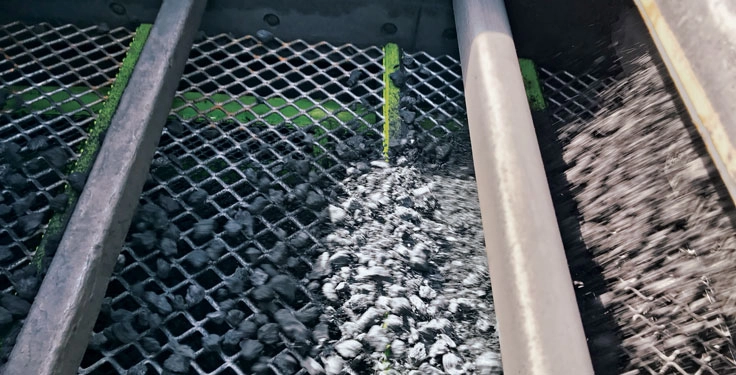
Climate must be considered for all equipment, whether that’s a vehicle, screen box or screen media. While selecting screen media based on the material being processed is essential, factoring in weather conditions and climate ensures the most efficient and durable options for each facility.
Tackling the heat
Hot, dry conditions pose unique challenges to screen media.
Many tensioned and modular screen media options feature polyurethane, which is susceptible to brittleness and flaking when exposed to high heat. This shortens screen media lifespan and increases equipment downtime for changeouts.
If high heat is a concern in an operation’s climate, look for screen media that features:
■ Optimal UV protection. Some polyurethane is designed to protect against UV exposure, with options retaining flexibility and integrity under extreme conditions.
■ Heat resistance. Polyurethane can be specially designed to hold up against temperatures up to 175 degrees.
Prioritizing heat-resistant screen media in hot climates can reduce downtime and extend equipment longevity. But don’t overlook how year-round climate fluctuations compound wear – especially in areas with harsh summers and cold winters.
Conquering the cold
Low temperatures, on the other hand, make polyurethane or rubber rigid and brittle, increasing the likelihood of cracking while heightening the risk of steel cracking and rusting.
Operations in cold climates should consider screen media constructed from:
■ High-grade wire. One challenge producers run into is that the wire used in their screen media isn’t always consistent in formula. This can impact durability.
■ Specialized polyurethane. Corrosive environments, like those with freezing temperatures, can prematurely wear screen media. Some manufacturers offer specialized polyurethane to combat this issue, enhancing the durability and wear life of each screening panel.
Snow and ice are inevitable in many regions, but choosing screen media designed for such conditions can minimize operational disruptions.
Managing rain & humidity
Of course, snow isn’t the only type of moisture producers must combat. Excess moisture from rain and humidity accelerates rust formation on wires, decreasing the efficiency and lifespan of screen media.
Rain and high moisture levels don’t just degrade screen media – they make it harder to effectively separate material. Some aggregates absorb moisture, leading to increased blinding and pegging.
To get the most out of screen media in rainy and humid environments, look for the following:
■ Independently vibrating wires. High-vibration screen media have wires that vibrate up to 10,000 cycles per minute, reducing buildup and maintaining steady operations.
■ Corrosion-resistant screen media. Some manufacturers test to ensure their wire is optimized for high-moisture situations with stainless steel or specialized coatings. These wire types can increase throughput and significantly decrease wear life.
Preparing for wet conditions with the right screen media prevents production halts and ensures smoother operation.
Optimizing for climate
Choosing the right screen media is like selecting the perfect vehicle, with the perfect option tailored to the environment to maximize productivity and minimize disruption.
Similarly, success in varying climates starts with investing in properly engineered screen media. Like working with a car dealer to get the best vehicle, operations should seek out screening experts to optimize screen media and ensure their facilities can meet unique challenges.
Ian Edwards is vice president of sales and marketing at Major.
Related: Major preparing product launch, live demo at ConExpo 2026