
FULL HANDBOOK
Chapter 1: Industry Overview
Chapter 2: Geology & Site Selection
Chapter 3: Drilling & Blasting
Chapter 4: Excavating & Loading
Chapter 5: Hauling
Chapter 6: Crushing & Hydraulic Breaking
Chapter 7: Screening
Chapter 8: Washing & Classifying
Chapter 9: Conveying & Material Handling
Chapter 10: Loadout & Weighing
Chapter 11: Safety & Health
Wheel Loader Buckets
A wheel loader’s bucket is typically its biggest revenue generator. But with many types to choose from, how does a producer know which type of bucket is best suited for the application at hand?
The wrong bucket size can hinder wheel loader productivity – especially in aggregate settings.
Every pass of a wheel loader bucket counts. Optimizing a bucket is not just about moving material – it directly translates to better tons per hour, reduced fuel consumption and extended machine life in high-production aggregate environments.
Some of the most common mistakes include not considering the material density versus the wheel loader’s capabilities. Always factor the quick coupler’s weight into the lifting capacity calculations. Producers should not size a bucket solely based on the wheel loader’s straight tipping load.
Straight tipping load is an indicator of the machine’s lift capacity, but “safe operating load” is a key specification as well. Safe operating load is 50 percent of the machine’s articulated capacity, taking into account the machine’s stability when the bucket is full and in “full up” position.”
Before selecting a wheel loader bucket and performing tasks like loading, carrying and stockpiling, owners, purchasing managers and operators consider the following factors:
- Material density
- Bucket weight
- Quick coupler weight
- Center of gravity
- Standard lift versus high-lift design wheel loaders
Definition
Quick coupler: A device that allows rapid changes between buckets or attachments; reduces downtime.
&uuid=(email))
Material density
When sizing a bucket to a wheel loader, evaluate the material density and capacity first. Calculate the average material density to be moved and then compare that to the wheel loader safe operating load and lifting capacity.
Material density is typically expressed in pounds per cubic yard or kilograms per cubic meter. Wheel loader owners can obtain these values from material specifications, supplier data sheets and industry reference tables.
It is also important to consider the possibility of working with varying material densities such as sand and then rock. The bucket specification should be determined by the heaviest material it is intended to handle. Remember, sand that absorbs moisture will be heavier wet than dry. Clean, washed aggregate densities can also vary from base fill densities.
Wheel loader manufacturers design machines to handle a predetermined loading cycle profile and working payload. Pushing a machine beyond these limits can accelerate wear, affect machine durability and significantly lower return on investment.
PRO TIP
Size buckets to material density: Don’t just go bigger – match the bucket to the heaviest material it will handle. Oversizing leads to stress, tipping risks and shortened machine life.
Bucket weight
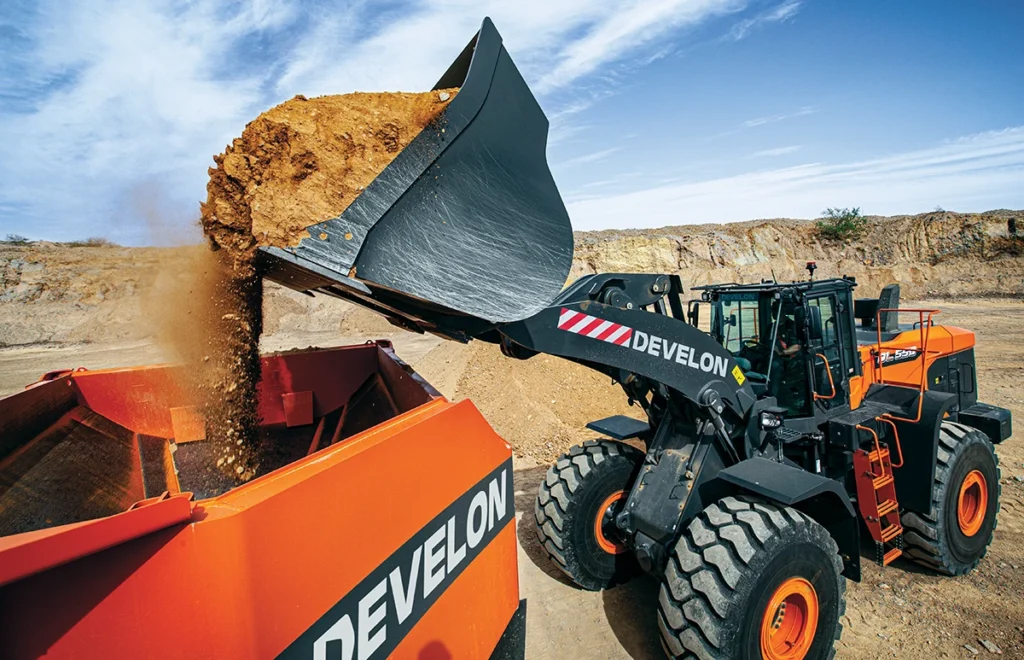
A wheel loader’s bucket weight will directly impact the machine’s lifting capacity and overall balance. When selecting a bucket, it’s important to remember that heavier buckets reduce the effective payload the wheel loader can safely handle.
A common mistake is not accounting for the attachment weight difference when going from a light-material or general-purpose bucket to a rock bucket for heavy-duty work. Ignoring the wheel loader bucket weight spec, especially when switching between lighter general-purpose buckets and heavier rock buckets, can lead to machine overloading, tipping hazards and accelerated wear on a wheel loader.
Critical components such as the wheel loader’s hydraulic system, lift arms, tires and drivetrain can incur increased stress and strain beyond the machine’s designed limits.
Also, the bucket weight, combined with the quick coupler weight, affects the center of gravity and tipping load. Both must be factored into properly sizing a bucket for safe and efficient wheel loader operation.
Wheel loader operators must remember that every pound added to the bucket reduces the machine’s effective payload capacity and shifts the center of gravity forward, increasing the risk of tipping. Properly matching the bucket weight to the wheel loader’s specifications not only ensures safer operation but extends the life of the wheel loader by preventing unnecessary strain and wear.
SAFETY TIP
Maintain proper tire pressure: Wheel loader tires are investments. Inspect pressure, tread and bead lines to catch leaks or failures before they sideline production. Overinflated tires reduce stability; underinflated ones wear quickly. Follow OEM psi guidelines to avoid blowouts or rollovers.
Quick coupler weight
To help get the most productivity from a wheel loader, consider investing in a quality quick coupler – which is optional on most manufacturer machines – to easily change attachments.
Keep in mind, though, that if the wheel loader is fitted with a quick coupler, the lift capacity needs to be reduced by the weight of the quick coupler.
Many more efficiencies can be gained from being able to rapidly change buckets or other attachments with a quick coupler from the comfort and security of a cab. Additionally, some coupler systems are designed to eliminate greasing, requiring less maintenance and fewer replacement parts.
PRO TIP
Use quick couplers wisely: Fast attachment changes boost productivity, but always factor the coupler’s weight into lift capacity to keep operations safe and balanced.
Center of gravity
The center of gravity is the point where the entire weight of an object appears to be concentrated. When it comes to wheel loaders, this pertains to the machine’s articulation, where its frame bends at the center pivot.
The full turn static tipping load is the industry standard for measuring a wheel loader’s maximum stable load when fully articulated. It is always lower than the machine’s straight tipping load.
A safe wheel loader operating load for a bucket is 50 percent of the static tipping load while the machine is articulated. Maintain a balanced center of gravity to prevent tipping hazards when using a wheel loader for lifting, carrying and dumping. If a wheel loader is equipped with a quick coupler, the center of gravity is farther forward.
Definition
Static tipping load: The maximum weight a wheel loader can lift before becoming unstable while articulated.
Standard lift vs. high-lift design wheel loaders
A standard loader is best suited for handling dense, heavy materials. These include
aggregates, sand, gravel, rock and dirt.
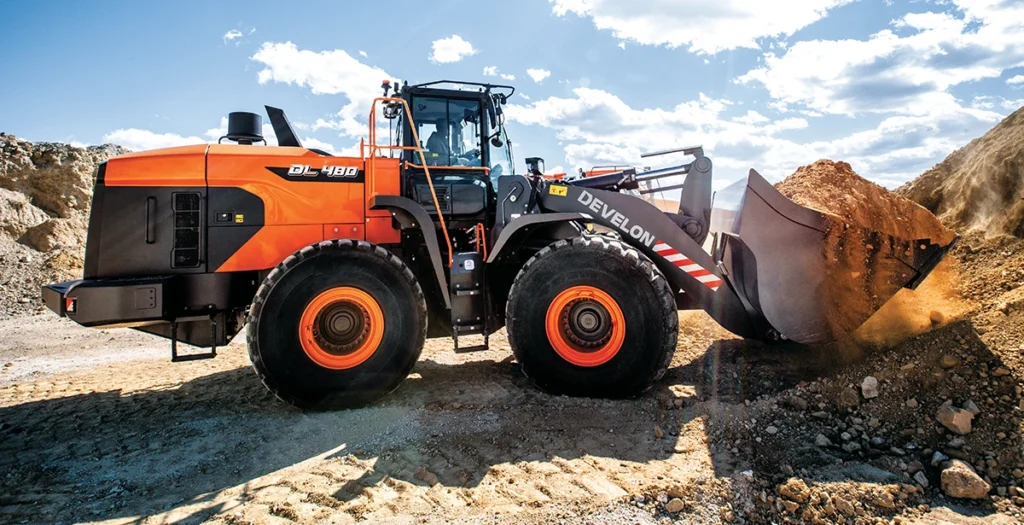
The design of the standard wheel loader’s boom keeps the center of gravity closer to the wheel loader. This maximizes the machine’s stability and lift capacity, and it provides a higher straight static tip load.
High-lift wheel loaders are ideal for use with lighter, low-density materials. These include snow, recycling, mulch, grain, waste and sawdust. The machine’s extended reach allows operators to fill high-sided trucks or hoppers efficiently without exceeding the wheel loader’s static tipping load. If the wheel loader is a high-lift design, that will further lower the machine’s capacity.
Bucket designs
Once the fundamental decision between a standard and high-lift wheel loader is made, the next critical step involves selecting the appropriate bucket design.
The four most common bucket designs are general purpose, light material, multi-purpose and rock buckets. In addition, consider ground-engaging tools. By specifying the right bucket, operators can better meet daily production targets and help maintain machine performance.
A wheel loader’s bucket matters more than one may think. In fact, a bucket properly matched to its material can decrease the number of passes needed to fill trucks.
The most common bucket design is a general-purpose bucket for maximum filling and material retention. This design works best in day-to-day material handling or when working with a range of material densities, such as general aggregates in construction and municipal applications; cleaning feedlots in agriculture; and sorting material in recycling applications
If producers are looking to move larger loads with smaller densities, a light-material bucket may be an economical solution. Light-material buckets offer higher capacities than general-purpose buckets, making them ideal for lifting snow, mulch or other light materials.
Generally, light material buckets are available with a pin-on or quick coupler mounting. Some are available with a bolt-on cutting edge for enhanced digging capabilities.
Multi-purpose buckets, meanwhile, can allow for improved digging and bucket filling. They can load, carry and dump granular materials; grab irregularly shaped objects; and doze, level or spread soil and fill. Many manufacturers offer multi-purpose buckets with reinforced mounting plates for longer service life and reduced maintenance.
For more abrasive applications, consider pairing a wheel loader with a spade-nose-style rock bucket. Typically, these are designed to move higher-density materials such as those found in mines and quarries – and for larger road work and site development projects. Many attachment manufacturers offer this style bucket as a pin-on-only option with standard weld-on teeth to improve durability in tough applications.
To help make the best decision when selecting a wheel loader bucket, contact a local dealer. They have formulas available to calculate size and material density and volume, and compare it to the size of the bucket to provide the best solution for the application at hand.
SAFETY TIP
Monitor wear on buckets and edges: Cracked teeth or worn cutting edges compromise safety and productivity. Replace components before they become a failure point.
Utilize ground-engaging tools
Cutting through material can be simplified with ground-engaging tools such as rugged bucket teeth. Many manufacturers offer a vast number of interchangeable bolt-on teeth options for general purpose, light material and multi-purpose buckets. Weld-on teeth are typically offered on heavier-duty buckets, such as rock buckets, to reduce wear.
Replaceable cutting edges and extra guarding can be added to buckets to protect and promote overall productivity.
In the end, there is more to selecting the best wheel loader bucket than meets the eye. Evaluate the bucket weight and capacity first, then select the bucket design that best matches the application.
Wheel Loader Maintenance
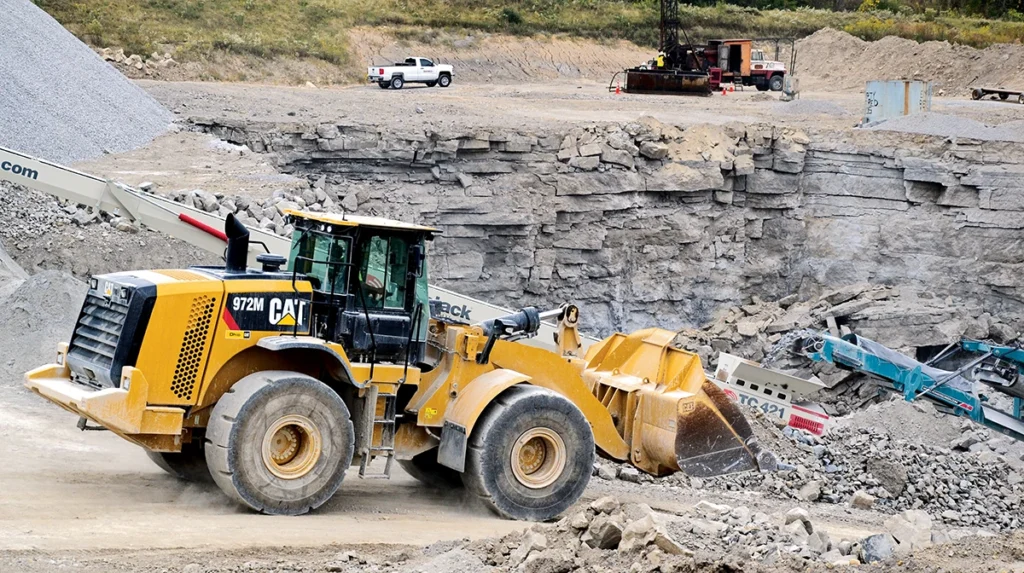
While wheel loaders are built to stand up to tough conditions, they do require routine maintenance to keep working at their best.
In fact, regular preventive maintenance is critical to keep wheel loaders operating productively and safely. Plus, preventive maintenance can alleviate machine downtime and reduce repair or replacement costs.
As such, be sure to follow these tips to properly maintain wheel loaders:
Critical care tips
1. Follow the owner’s manual. If you’re going to perform most of your wheel loader’s maintenance yourself, follow the recommendations of your manufacturer’s owner manual. You’ll find maintenance intervals and checklists, information on your wheel loader and tips to effectively run the machine.
Additionally, make sure to keep your machine greased according to the schedule listed in your owner’s manual. Areas of movement, like the axles, cylinders, pins and pivot points and articulation connections, must be properly greased so connections don’t wear out or cause extra strain on the machine.
2. Complete a walk-around to check for wear. Loading and unloading material all day can create excessive wear on a wheel loader’s ground-engaging tools, such as buckets. To ensure high-impact attachments stay in peak operating condition, perform daily visual inspections.
Specifically, park your wheel loader in a safe spot and take a few minutes to inspect the machine and buckets. Look for loose, cracked or missing teeth, and repair problems or replace compromised components as soon as possible.
Wheel loader attachments, such as severe- and heavy-duty buckets, are some of the most popular and hard-working tools in mining and quarry applications. They should receive the same attention as the equipment.
Visual checks of these components should include hoses, as well as tilt and lift cylinders, to determine if wear is developing or damage occurred.
There are other items on larger buckets that should be inspected, as well. Examine the condition of wear plates and bolt-on cutting edges, plus attachment pins. They should fit snugly and properly.
3. Inspect the tires. Tires are essential to a wheel loader and should be inspected regularly. Undetected leaks or improper inflation can lead to premature wear, unexpected downtime and potentially tire failure over time.
Make sure you’re familiar with your loader manual’s recommendations for proper psi, and inflate tires accordingly.
Also, complete a thorough visual inspection to detect missing tread, and ensure the bead line and rim are intact.
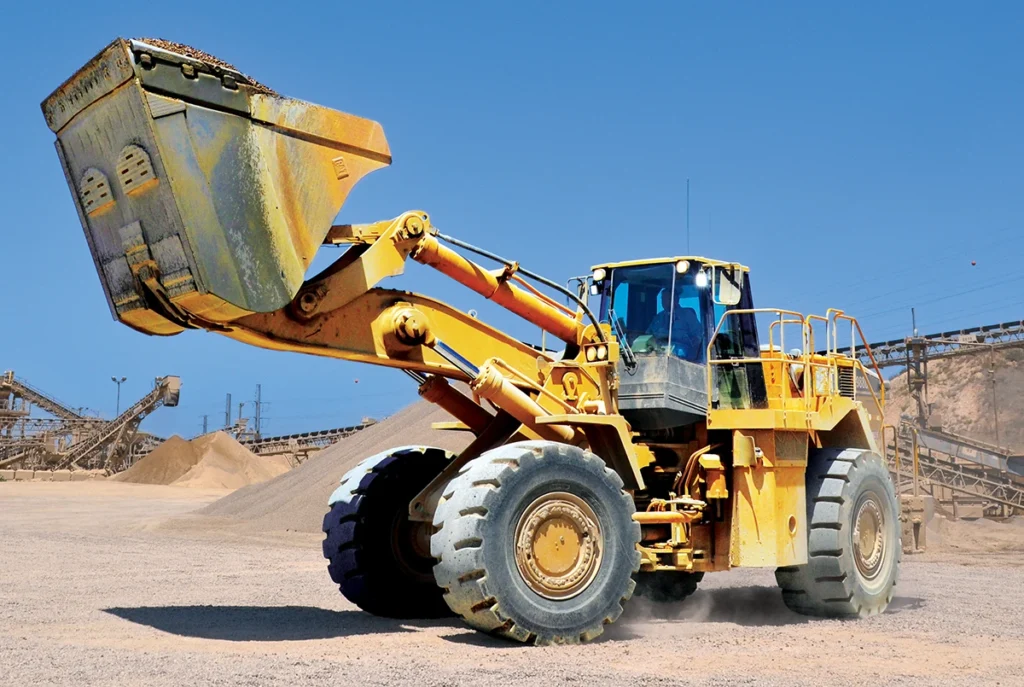
4. Check the driving and parking brakes. Driving and parking brakes are used daily on wheel loaders and must be in good condition.
Many pits and quarries are congested worksites – often with multiple pieces of equipment, vehicles and workers. There will likely be quick stops during normal loading procedures. You must be able to use the driving brake but also hold it with the machine’s parking brake if necessary.
5. Stay on top of fluids, oils and filters. Fluids, such as engine oil and coolants, should be closely monitored to prevent unnecessary downtime. Using dipsticks and sight gauges will help ensure the proper fluid level is maintained.
Always refer to the manual for instructions on filling the machine at the recommended intervals with the appropriate fluid in the correct increments. New wheel loaders are engineered with engine aftertreatment systems that are designed to clean the diesel engine exhaust and meet the U.S. Environmental Protection Agency’s emission standards for Tier 4-compliant engines. Because each equipment manufacturer has a slightly different emissions strategy, follow their guidelines for maintenance and service.
&uuid=(email))
6. Maintain the cooling system. Quarries can generate a lot of dust, so some manufacturers have incorporated advanced reliable cooling systems to minimize machine downtime.
A variable-speed cooling fan, for example, slows and speeds up as required by the work demands of a loader. A standard reversible cooling fan is adjustable from inside the cab to assist in keeping the cooling system clean in extremely dusty applications.
On select wheel loader models, optimal radiator fin spacing is available to quickly clear dirt, dust and other large debris and reduce clogging – all while keeping the cooling system performing constantly. This can be particularly helpful in pits and quarries.
PRO TIP
Leverage safety tech fully: Cameras, radar and around-view monitors improve visibility. Train operators to use them consistently for safer, faster loading in tight spaces.
7. Check enhancements inside the cab. Newer wheel loaders have enhancements that make them not only more comfortable to operate, but easier to maintain.
Some wheel loader manufacturers offer rearview cameras as standard equipment. Operators have better visibility to their surroundings with the rearview display on the LCD screen.
Also, today’s wheel loaders come with telematics management systems that allow you to monitor the health, location and productivity of equipment. You can monitor your wheel loaders remotely and address alerts quickly. Telematics information can typically be viewed on a mobile app or a browser on your computer.
FULL HANDBOOK
Chapter 1: Industry Overview
Chapter 2: Geology & Site Selection
Chapter 3: Drilling & Blasting
Chapter 4: Excavating & Loading
Chapter 5: Hauling
Chapter 6: Crushing & Hydraulic Breaking
Chapter 7: Screening
Chapter 8: Washing & Classifying
Chapter 9: Conveying & Material Handling
Chapter 10: Loadout & Weighing
Chapter 11: Safety & Health
Use the page numbers to continue reading, or select a section / chapter above.