
The Pit & Quarry University Handbook is an educational resource that offers comprehensive lessons covering the entire aggregate production process from start to finish, highlighting new technologies and enhanced procedures within each branch/category of the aggregates industry.
FULL HANDBOOK
Chapter 1: Industry Overview
Chapter 2: Geology & Site Selection
Chapter 3: Drilling & Blasting
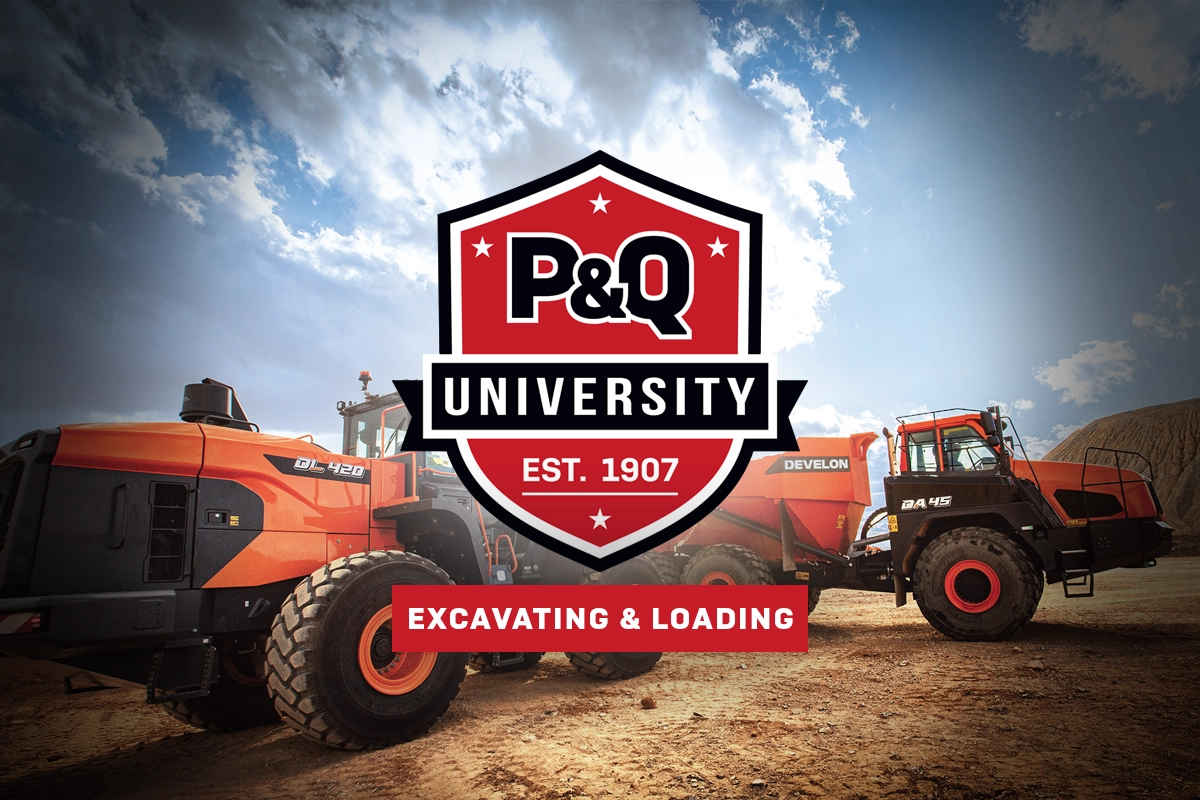
Chapter 4: Excavating & Loading
Chapter 5: Hauling
Chapter 6: Crushing & Hydraulic Breaking
Chapter 7: Screening
Chapter 8: Washing & Classifying
Chapter 9: Conveying & Material Handling
Chapter 10: Loadout & Weighing
Chapter 11: Safety & Health
Although aggregate processing typically begins with drilling and blasting, material isn’t going anywhere until it’s moved from the muckpile to the processing plant.
Wheel loaders and excavators often perform the next step of the quarrying process: loading haul trucks. If this stage is not effectively planned, production goes down and costs go up.
Wheel loaders, which are also called front-end loaders, and hydraulic excavators most commonly scoop blasted material from the quarry face and transfer it to haulers. But wheel loaders, because of their mobility, are also utilized in load-and-carry applications where the machine loads the bucket and carries material to an in-pit crusher or portable screening plant.
Similarly, excavators, because of their superior digging power, are often used to load naturally fractured rock and unconsolidated materials directly from the mining face without blasting.
In addition to loaders and excavators, some operations use rope shovels for excavating and loading, while others use draglines for excavating. This chapter focuses largely on wheel loaders and excavators but also ventures into dredges, which are used for underwater material extraction.
Definition
Dragline: A cable-suspended bucket system used for deep digging and moving overburden or sediment.
Excavators vs. Loaders
Although excavators and loaders perform similar tasks, they each have their strengths in specific pit and quarry applications and weaknesses in others.
For starters, excavators require sufficient bench height for efficient and safe operation. A rule of thumb for optimal bench height is the length of the excavator stick.
Ultimately, choosing the right excavator for an application enhances productivity – with material composition and production requirements serving as key considerations in selection.
Material type impacts an excavator’s horsepower, torque ratings and digging forces. Bucket capacity is an important factor, as well.
A starting point is the overall production requirement for the operation. Then, producers must consider the fleet they have to work with, as that dictates the bucket and machine size needed.
PRO TIP
Match equipment to truck size: Calculate bucket capacity against truck payload to minimize passes. This simple math saves time, reduces fuel burn and improves cycle efficiency.
&uuid=(email))
Matching equipment appropriately is important – and a simple math calculation can help in this area. Say a producer has a 50-ton truck and the material weighs 3,000 lbs. per yd. It can be determined how many passes a loader with a 3-yd. bucket requires to load the truck.
From there, divide 100,000 lbs. of truck payload capacity by 3,000 lbs. per yd. for about 33 yds. Dividing by the capacity of the 3-yd. bucket, it will take 11 passes to fill that truck.
An excavator can make a complete pass in 20 seconds. If you multiply 11 passes by 20 seconds, that’s 220 seconds – or about four minutes to completely load the truck.
From there, producers must decide if they can live with that four-minute loading time – or if they have enough trucks and crusher capacity that they need a bigger excavator.
Additionally, properly equipping excavators for the job it must do is critical to maximize performance. Different arm lengths are available for most excavators. Short arms provide maximum crowd forces and payload capacity. These are recommended for production truck loading, mass excavating and tough digging conditions.
The appropriate bucket configuration and ground-engaging tools (GET) – such as teeth and cutting edges – also make a big difference in excavator production and costs.
Hydraulic front shovels are another configuration of an excavating or loading machine, although front shovels are less common in aggregate applications. Generally, front shovels have the advantage of mining multiple bench heights and efficiently handling tough digging. To be most efficient, front shovels require moderate to high faces.
Whereas excavators can load trucks on the same bench and ones on the bench below, wheel loaders and front shovels are limited to loading trucks sitting on the same bench. The excavating approach is the faster one because it reduces the time the machine spends raising the boom to reach over the side rail of the truck body.
Selecting the machine type for production loading is a first step to identify the ideal equipment for a specific operation. Next is sizing and equipping each excavating and loading machine for the desired production.
Definition
Bench height: The vertical distance from the quarry floor to the working face; ideally equal to the excavator stick length.
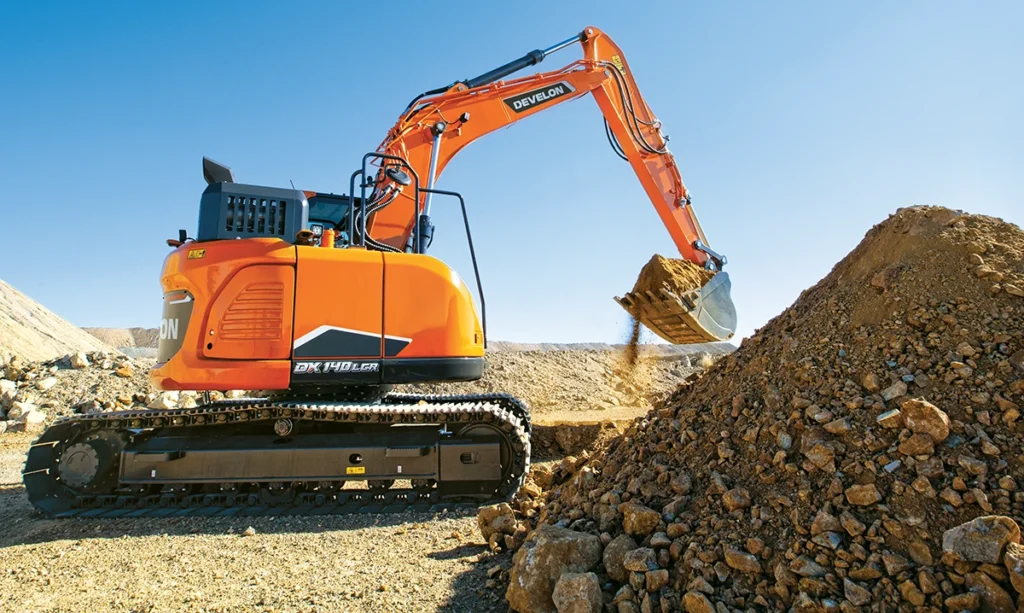
Sizing and equipping
A fundamental difference between front-end loaders and hydraulic excavators – wheels versus tracks – shapes their respective strengths and weaknesses. Those characteristics ultimately determine which machine is best suited for a given application.
The conditions favoring wheel loaders include level, dry, smooth and firm floors; sufficient slope and drainage in wet climates to minimize tire damage; well-fragmented materials that help minimize crowding, particularly in the toe of the loading face; a lower face profile; and multiple loading faces and frequent travel from one spot to another.
Put simply, the opposite conditions are unfavorable to wheel loaders. These include poor underfoot conditions such as wet, soft ground or jagged rock; poorly shot material; and tight loading areas that restrict loader movement
Front-end loaders have wide buckets that spread the digging forces over a wide area. As a result, the digging ability – or the ability for the bucket to penetrate the pile – is generally less than a hydraulic excavator handling the same amount of material per pass.
Mine conditions favoring hydraulic excavators, meanwhile, are low to moderate bench heights, tight loading areas, selective digging and multiple truck sizes.
Hydraulic excavators can work with poor floor conditions, but those can limit truck positioning. Conditions that are unfavorable for hydraulic excavators include high benches, multiple benches, excessive tramming and low angle of repose material.
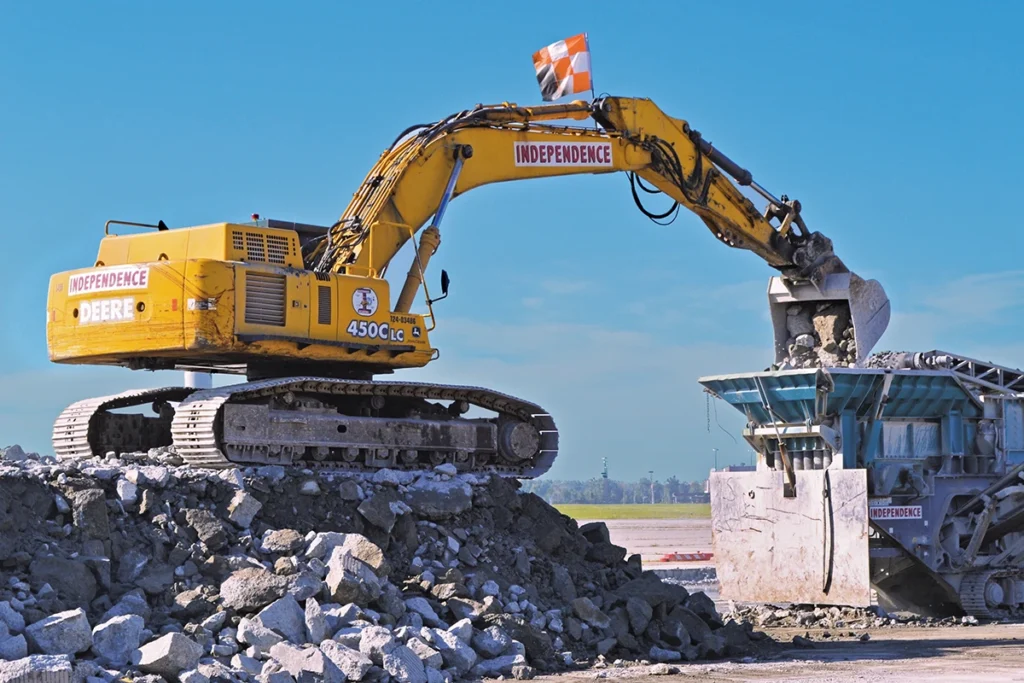
Excavator Maintenance
Working at quarry operations in the summer months poses distinct challenges.
Equipment must handle tasks like drilling, blasting and moving material, and it’s subjected to extra stress due to high temperatures, dust and uneven terrain.
Inadequate maintenance in this environment can accelerate wear and result in unplanned downtime, necessitating repairs and compromising safety for operators and others in a pit or quarry. Given the demanding nature of these tasks, it’s essential to mitigate potential hazards through proactive maintenance practices.
Here are a few key summer maintenance considerations for crawler excavators operating at quarries:
1. Maintain the cooling system. The cooling system is essential for regulating an excavator’s engine temperature and preventing critical components from being damaged by excessive heat.
Radiators should be inspected for damage, corrosion or debris buildup that could obstruct airflow and cooling efficiency. Coolant levels should also be monitored regularly and topped off as needed with the appropriate coolant mixture recommended by the excavator manufacturer.
The coolant should be at the correct concentration to provide adequate heat protection – especially in regions where temperatures can fluctuate.
Also, inspect an excavator’s hoses for signs of wear or damage to prevent coolant leaks that can lead to overheating or engine damage. Any worn or damaged hoses should be replaced.
Cooling fans and belts should also be checked regularly to ensure optimal performance. Over time, fan belts can become worn or loose, impacting the efficiency of the cooling fan. Replacing worn fan belts and adjusting belt tension as necessary can help prevent cooling system failures and ensure consistent airflow.
Additionally, monitor engine temperature gauges, and be aware of signs of overheating such as steam or coolant leaks. In the event of such indicators, shut down the excavator and allow it to cool before addressing the issue.
As a rule, it’s advisable to wait at least 30 minutes to an hour to allow an engine to sufficiently cool down.
PRO TIP
Inspect cooling systems daily: Quarry dust and heat strain excavators in summer. Check radiators, fans and coolant levels to prevent overheating and costly downtime.
2. Minimize dust levels. Dust is common at quarries, posing a risk of buildup that can impair the performance of excavators and their internal components and systems.
As such, regularly cleaning an excavator’s air filtration system help prevent dust buildup and maintain optimal airflow to the engine and other critical components. Be sure to inspect air filters, air intake systems and engine compartments to prevent clogging. If these systems are clogged, it can lead to reduced engine performance, overheating, increased fuel consumption, potential damage and safety risks.”
Dust accumulation can adversely affect bearings, joints and other moving components, resulting in increased friction, heat and accelerated wear. To prevent the accumulation of dust particles, it’s important to regularly lubricate moving parts.
Applying appropriate lubricants and greases according to a manufacturer’s specifications can help minimize friction, guard against corrosion and prolong the service life of critical components. Adhering to recommended lubrication schedules is essential and, when necessary, utilizing high-temperature grease can further extend the lifespan of components.
PRO TIP
Lubricate to fight dust: Fine dust accelerates wear on joints and bearings. Follow OEM grease schedules – and use high-temperature grease in hot conditions.
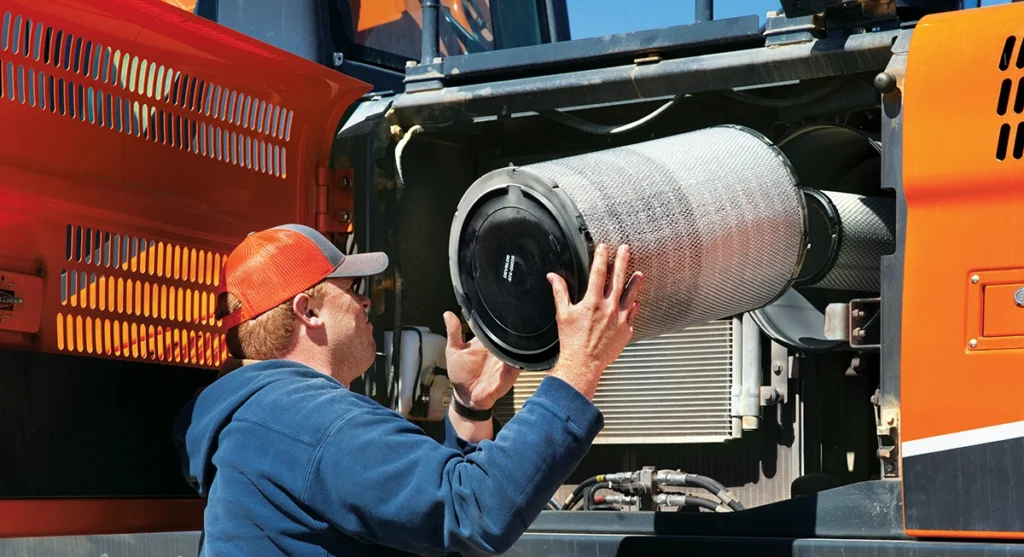
3. Check the undercarriage. The excavator’s undercarriage is subjected to heavy loads, abrasive materials and uneven terrain in quarry operations. To optimize performance and minimize premature wear, it’s essential to regularly check track tension and adjust it to the manufacturer’s specifications.
It’s also crucial to inspect the rollers, idlers, sprockets and track shoes. Any indication of wear, damage or misalignment should be promptly addressed to prevent further damage.
Maintaining a clean undercarriage – free from debris – is vital to safeguarding track components from abrasive materials and minimizing wear. Regularly clearing mud, rocks and other debris from the undercarriage and track links helps prevent buildup and reduces the risk of damage to rollers, idlers and sprockets.
Damage to these critical components can result in reduced machine performance, increased wear, risk of failure of the undercarriage system, costly repairs and safety hazards.
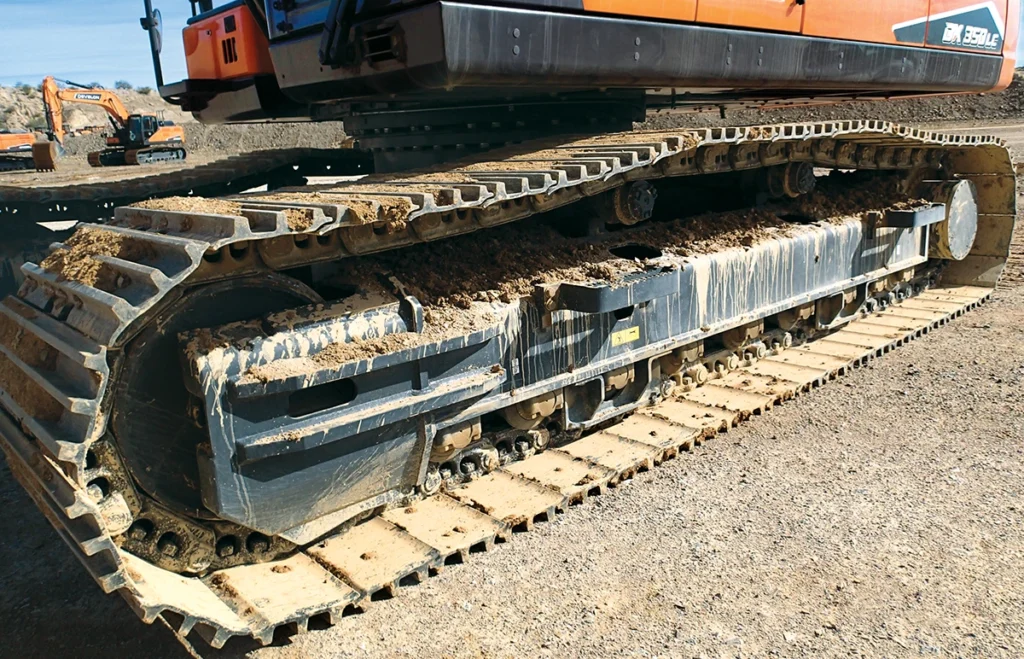
4. Inspect the hydraulic system. The hydraulic system is responsible for digging, lifting and moving heavy loads. Regularly inspecting hydraulic hoses, seals and connections is necessary to detect leaks, prevent system contamination and maintain optimal hydraulic fluid levels and pressure.
Also, proper hydraulic fluid temperature is essential – especially in hot summer conditions. Overheating of hydraulic fluid can lead to reduced viscosity, decreased lubrication and accelerated wear.
&uuid=(email))
5. Examine the electrical system. Components such as lighting, instrumentation, controls and auxiliary systems rely on it. High temperatures accelerate wear on these parts – especially wiring insulation, connectors and other protective materials.
Additionally, regularly inspect electrical connections, terminals and wiring for any indications of wear, corrosion or damage. This proactive approach helps prevent electrical malfunctions and potential safety hazards.
The outdoor heat can also affect battery performance, causing the battery to lose capacity more quickly than it would at lower temperatures. As such, inspect the battery terminals for corrosion, and check battery fluid levels to maintain battery life and prevent starting problems or electrical system failures.
If corrosion is present, disconnect the battery and clean the terminals with a brush or a mixture of baking soda and water.
SAFETY TIP
Secure cab items firmly: A loose water bottle or tool rolling across the floor can distract an operator at a critical moment. Always stow items safely.
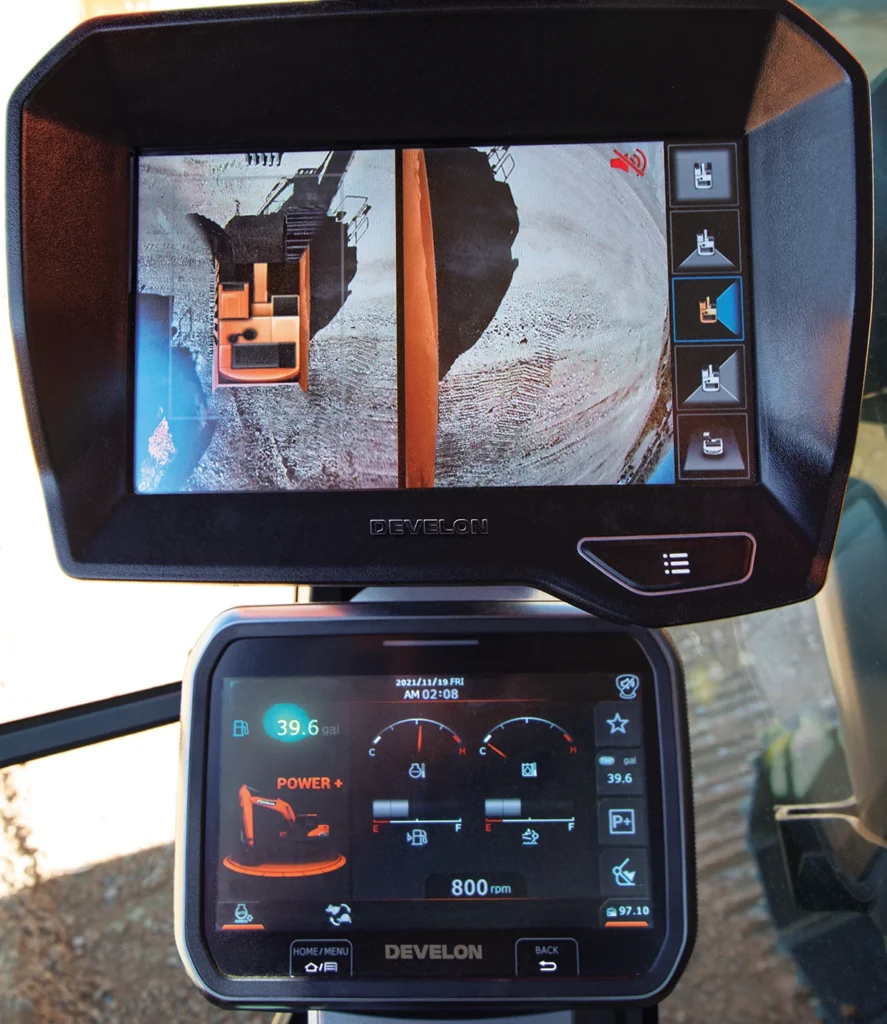
6. Evaluate safety equipment. Excavator operators working in quarries during the summer months must adhere to safety regulations to ensure safe and secure working environments.
Check safety features such as rollover protection structures, falling object protective structures and seat belts to make sure they’re in good condition and functioning properly. By inspecting these components and adhering to safety regulations, operators can maintain a safe working environment for everyone.
It’s also a good idea to inspect air suspension seats and cooled seats, which help enhance operator comfort during work.
7. Promote operator training. Properly trained operators are essential to maximize equipment performance, ensure safety and minimize downtime.
All quarry excavator operators should be trained on summer-specific maintenance procedures, as well as how to recognize signs of equipment stress or malfunction. Training should include basic excavator operation – including machine controls, functions and operating procedures specific to quarry applications.
In addition, operators should be aware of safe work practices and communication protocols with other personnel and equipment operators. Operators should be familiar with safety features like rearview cameras and around-view monitor camera systems if a machine is equipped with these technologies.
By prioritizing maintenance, operators can work with confidence during peak production months, maximizing their productivity and profitability at quarries.
FULL HANDBOOK
Chapter 1: Industry Overview
Chapter 2: Geology & Site Selection
Chapter 3: Drilling & Blasting
Chapter 4: Excavating & Loading
Chapter 5: Hauling
Chapter 6: Crushing & Hydraulic Breaking
Chapter 7: Screening
Chapter 8: Washing & Classifying
Chapter 9: Conveying & Material Handling
Chapter 10: Loadout & Weighing
Chapter 11: Safety & Health
Use the page numbers to continue reading, or select a section / chapter above.